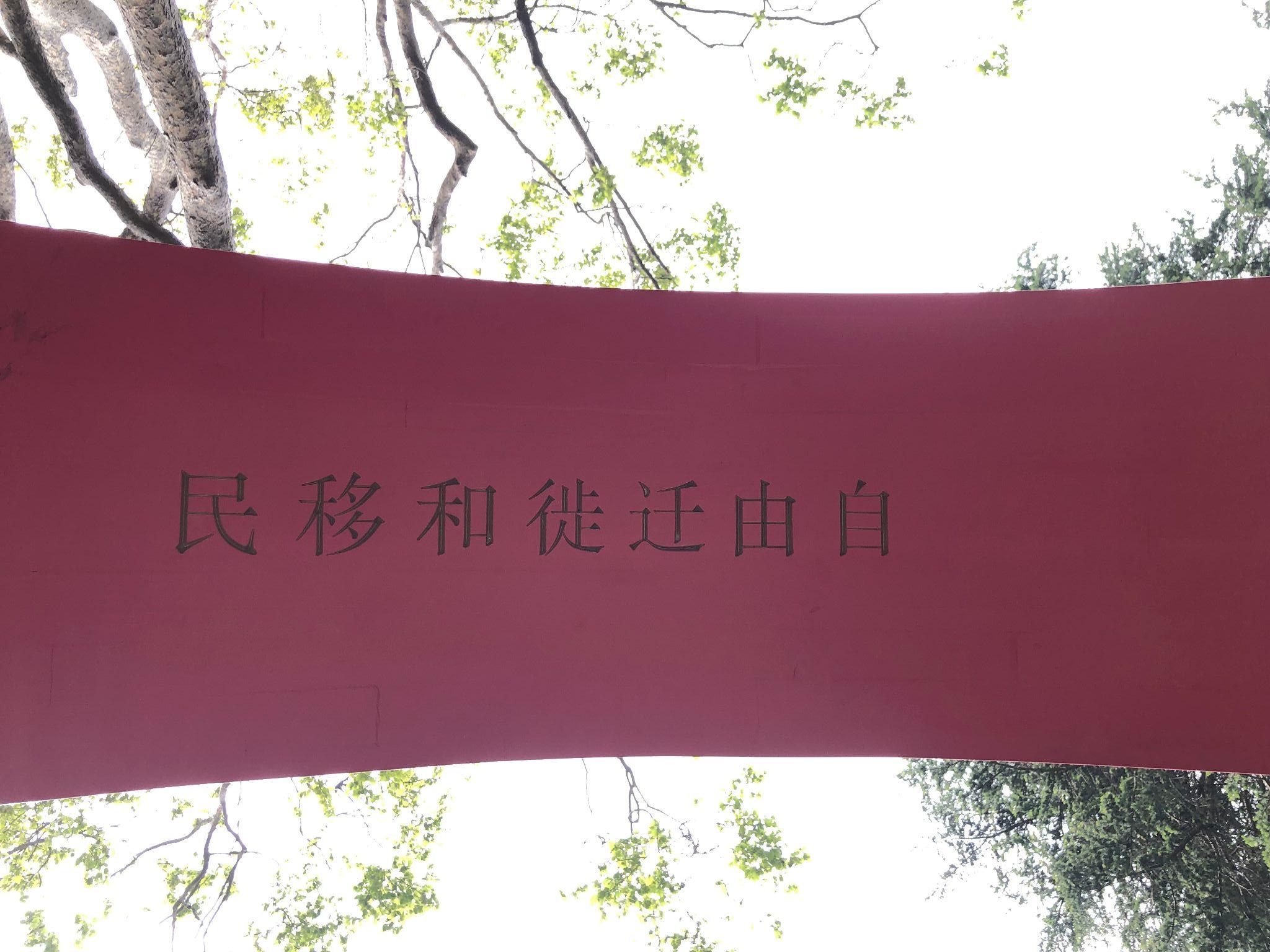
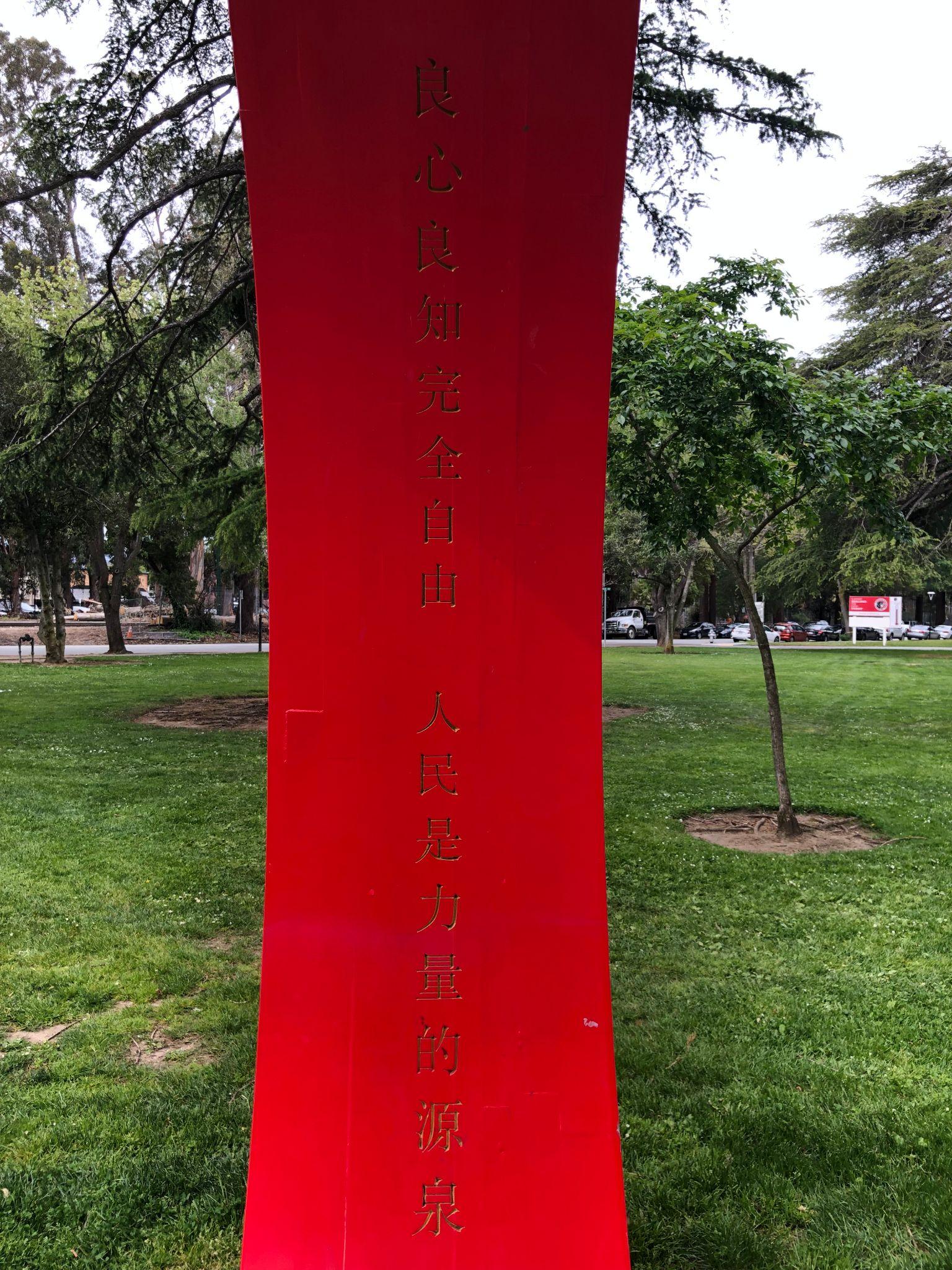
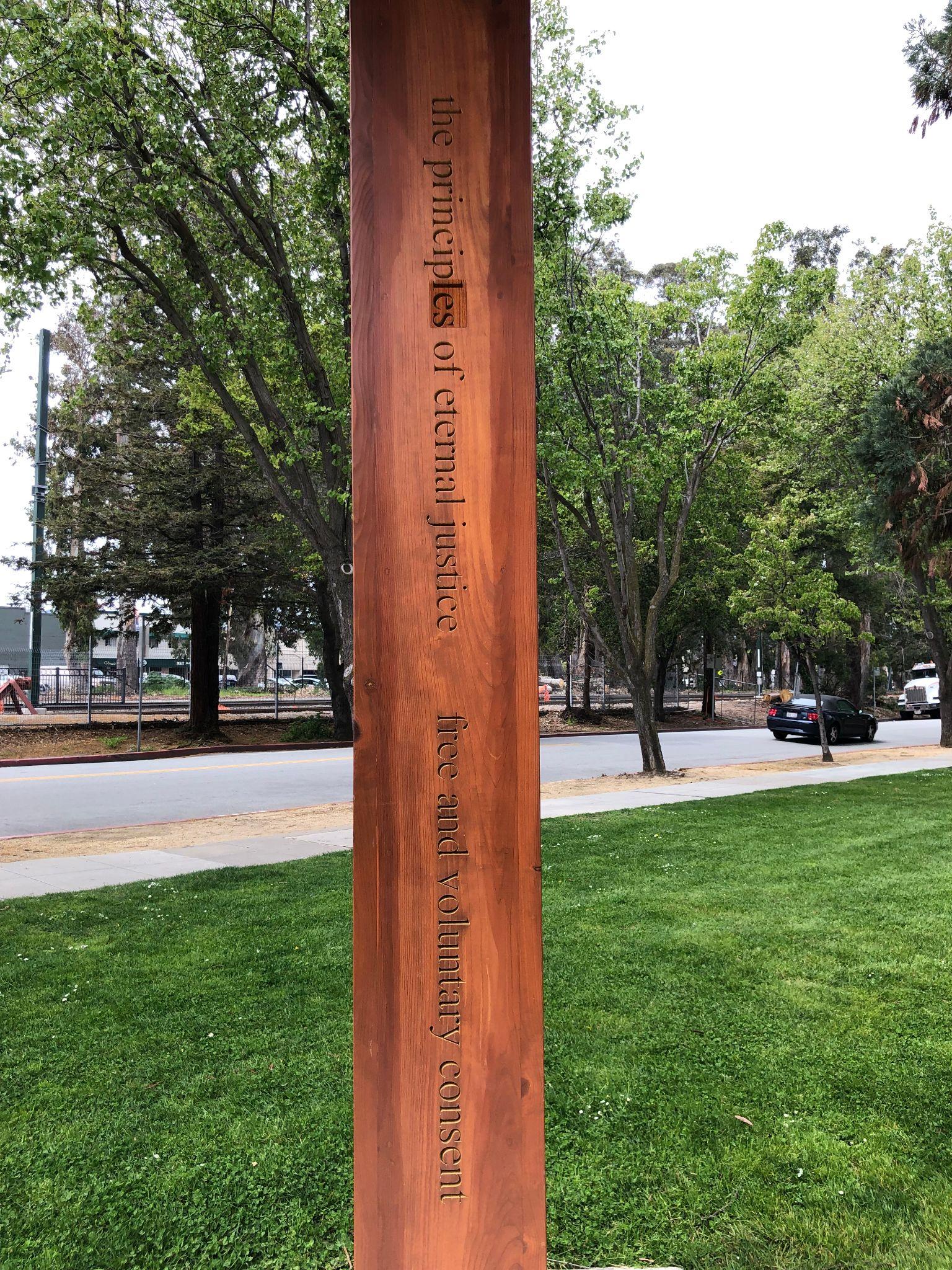
台湾如今是我们能够公开纪念这一重大事件的最后一个华语社会,是历史真相与记忆至关重要的避风港。支持台湾的自主至关重要。如果失去这一点,我们就失去了公开讲述受压迫者真实历史的最后一个地方。今年,当新学校民主学院(New School for Democracy)邀请我策划展览和引导想象环节时,我立刻答应了。我联系了旅居海外的香港艺术家参展。
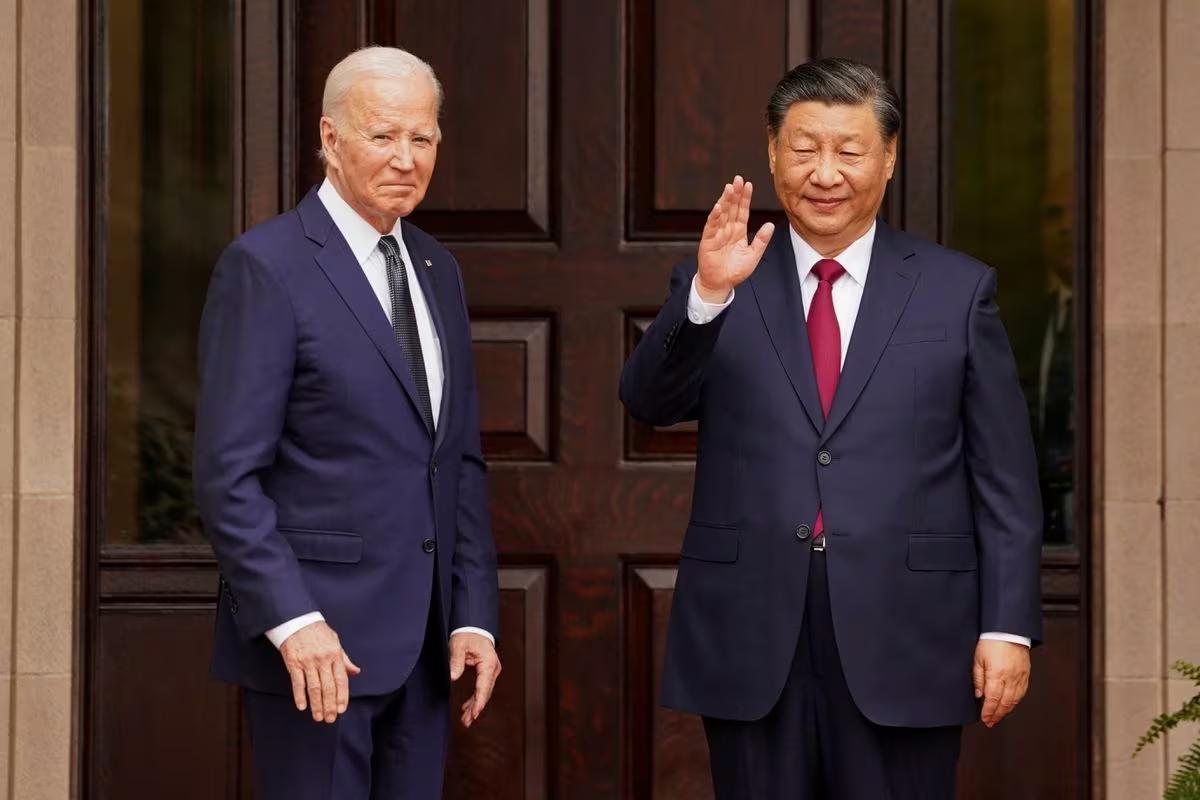
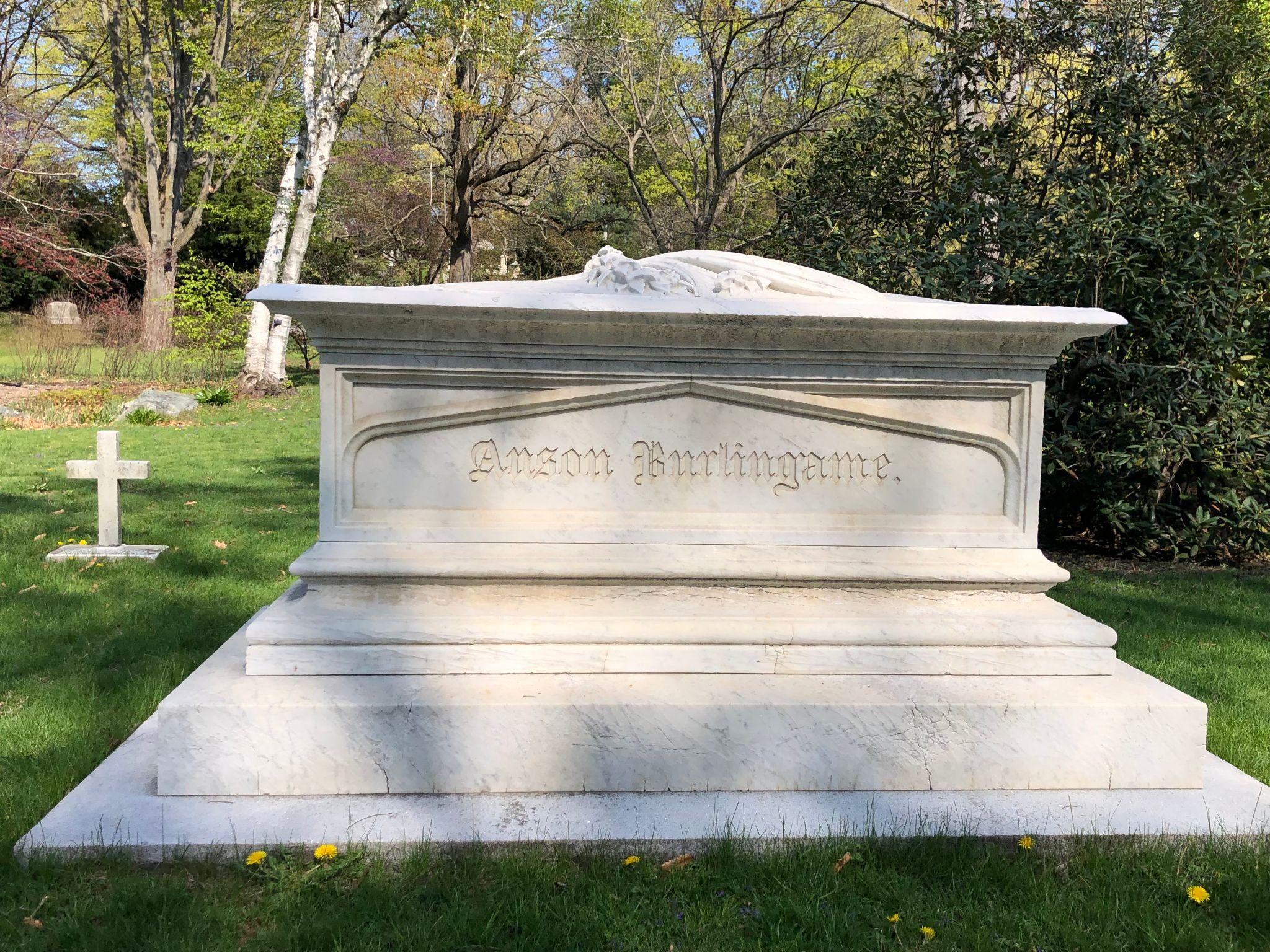
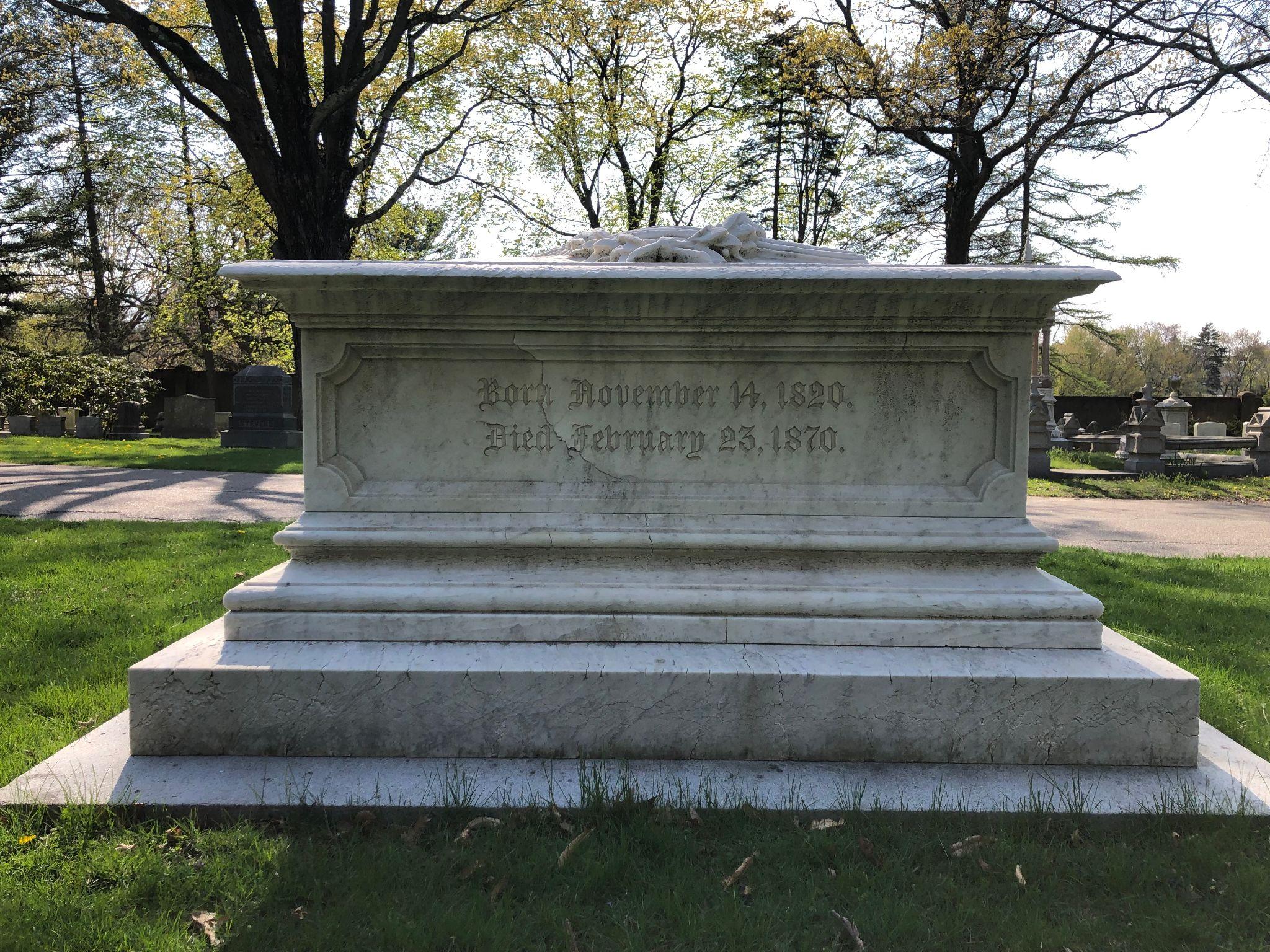
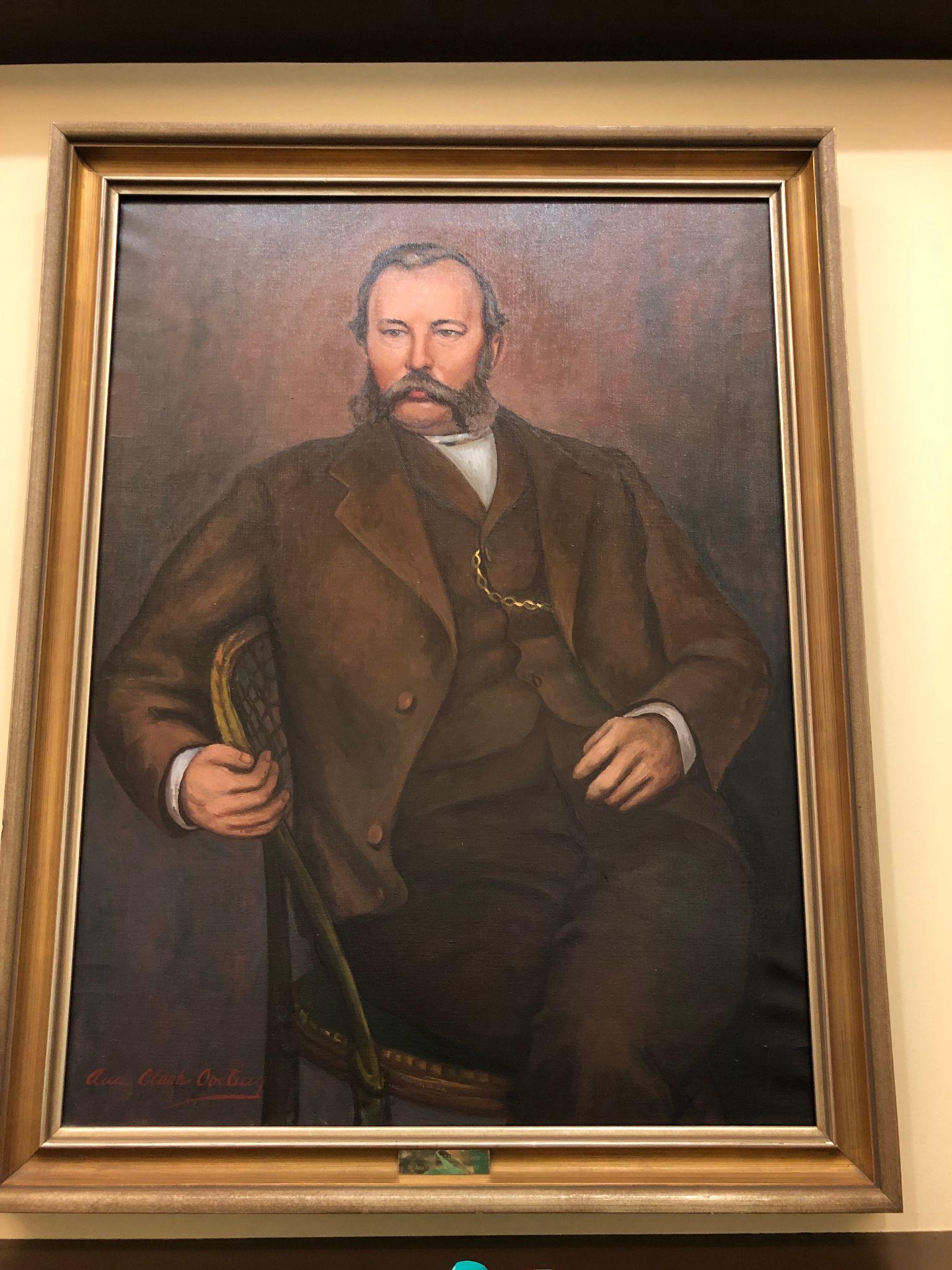
值此中美复婚, 亚太共荣的大喜之日, 习拜大婚在加州硅谷美丽的FiLoLi庄园举行。FiLoLi 的名字固然有点讲究( Fight for a just cause; Love your fellow man; Live a good life 为正义而战; 爱你的同胞; 为美好的生活而奋斗), 其终究不过是个百年前的美国富商曾经的后花园, 说不上有什么人文价值。 以双方高调示爱的用心,却选择此处举办复婚典礼, 不免感叹婚庆团队对新郎新娘过往历史之了解的匮乏和想象力的缺失。
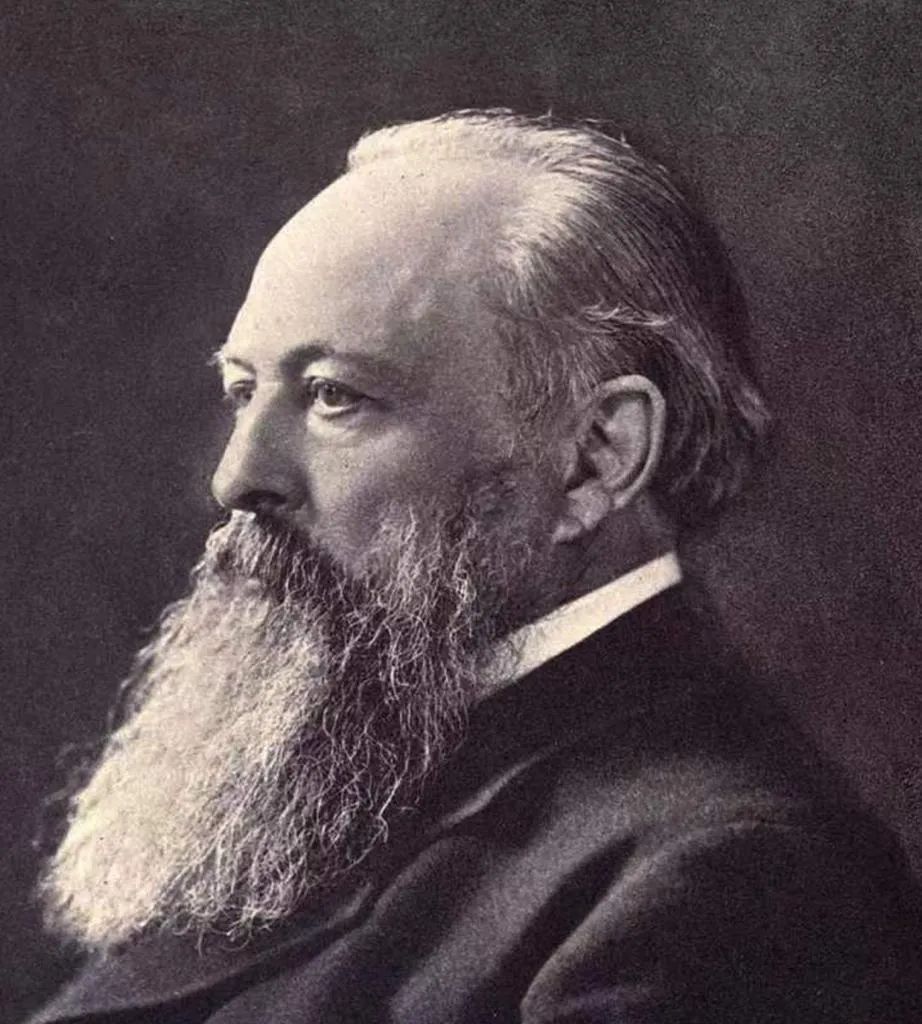
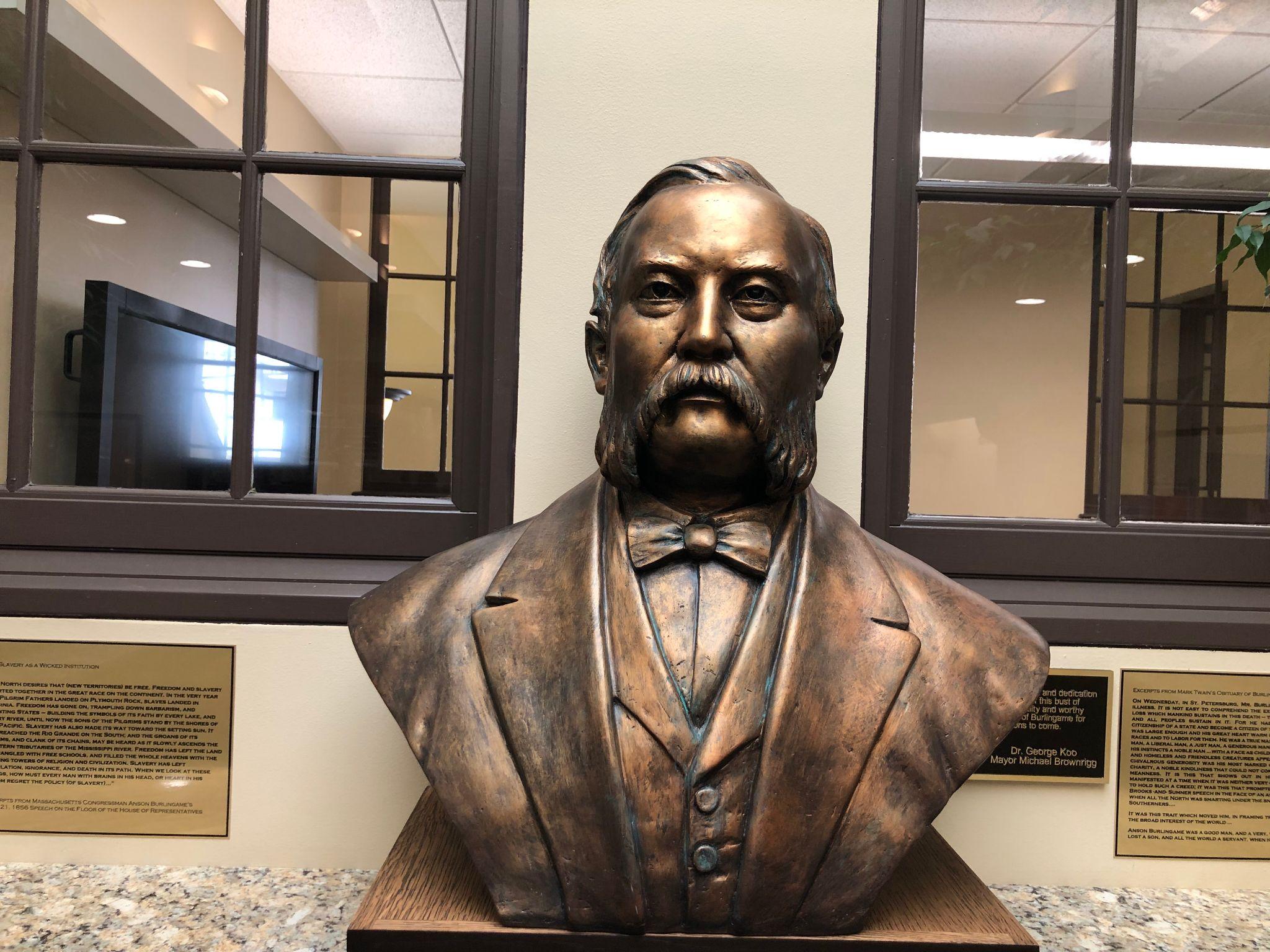
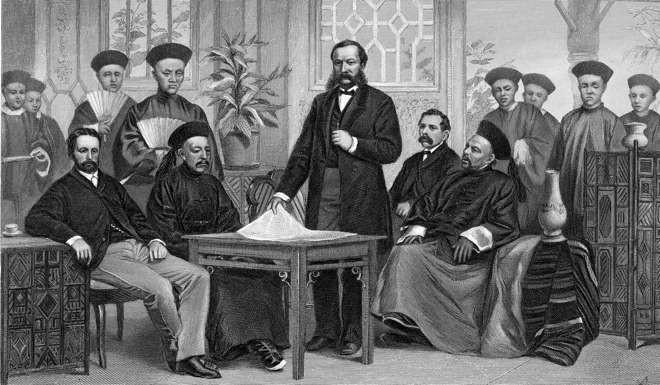
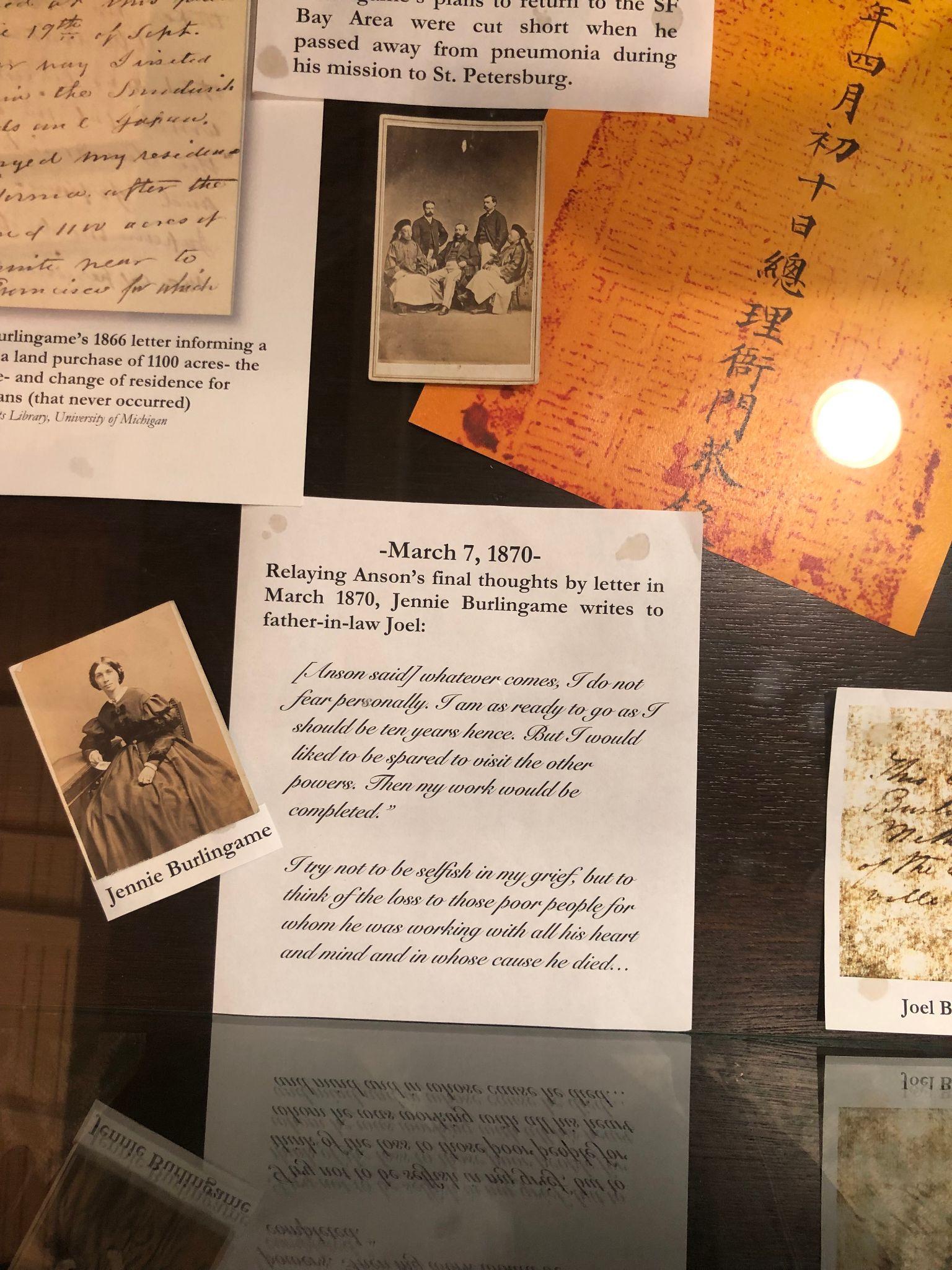
(I hope I have secured for China fair play from the nations of the west. England has left the old Palmerstonian policy and has met my wishes most fully. The other nations will do the same. I sometimes think that I shall not live through this mission. The stress is too great upon me. The world only sees the splendid side. I see the work and feel the pain and anxiety. What dead sea fruit all these honors are, and though sought by all they are enjoyed by none.)
[Anson said] whatever comes, I do not fear personally. I am as ready to go as I should be ten years hence. But I would liked to be spared to visit the other powers. Then my work would be completed.
I try not to be selfish in my grief, but to think of the loss to those poor people for whom he was working with all his heart and mind and in whose cause he died…
As a Hong Kong Chinese, I grew up in the 90s and 2000s referring to the Mandarin Chinese language as 普通话. We tend to use 中文when referring to the written Chinese text, which is readable no matter if you speak Mandarin, Cantonese, Hokkien, or other Chinese languages. I know that young people in Hong Kong today refer to the Mandarin Chinese language as 國語now, as it was made a compulsory learning language in Hong Kong and it’s incorporated into the education system. When I lived in Malaysia, it was when I first heard the term 華語, and I got a sense that this is the term used by Chinese diaspora who left China way long before. Malaysian Chinese also refer to themselves as 華人 [Hua people].
汉语 (Hanyu) is connected to the Han people so it adds to the marginalization of other ethnic groups who use it as their main language, such as the Hui. Chinese is not an alphabetic language so 中文 (zhongwen) which rigorously speaking should only apply to the written form, but is now used to describe spoken Chinese, is my preferred term, if compared to 漢語 (Hanyu).
Taiwan has more than one official recognized language, so 國語 (guoyu, or national language) needs to be nuanced. Taiwan’s indigenous people prefer to use 華語 (huayu, language of the Hua people) in contrast to 原住民族語 (yuanzhuminzuyu, or ethnic languages of the indigenous, or first people).
As for the term 華語 (huayu), I personally find it less assuming, if compared to 國語 (guoyu) and 漢語 (hanyu), particularly when interacting with people of different ethnicity and nationality.
I can’t really explain, as I initially don’t have any connection with Southeast Asia or refugees. As student, I published an underground university newspaper as we still had martial law. When I had to serve in the army from 1994–1996, I was thus assigned to be an assistant editor for the army’s newspaper given my background. This is when I had a dream in which a Cambodian young woman, probably a victim of the Khmer Rouge camps, spoke to me and said in English “Have you ever been there?” I had two more dreams related to this story, the last being in 2003.
It seems foreigners are more interested in this topic than Taiwanese. Yet Taiwan is a frontier that received refugees fleeing mainland China in its history. At the same time, most Taiwanese think they are superior to Southeast Asians. As a result even our Chinese-Vietnamese community is very silent in Taiwan and doesn’t make its voice heard. We do have a significant Vietnamese work and marriage migrant community in Taiwan, mostly since Vietnam started its Đổi Mới reform policy which coincided with the time Taiwan changed politically and ended martial law.
This process allows me to revisit my childhood and teenager years that ended in 1988. But mostly, this project has made me less lonely. The international community ignores and refuses to recognize Taiwan. Now that I have done all this work, and the trilogy is almost ready be released, I feel connected to Southeast Asia. It made me a more complete person.
Regarding potential asylum mechanisms in Taiwan, slightly more people agreed than disagreed with passing some kind of a refugee act (regardless of whether that included Chinese nationals), while most people did not have an opinion on this — which reflects the lack of discussion in Taiwanese society. […] On the other hand, 50 percent believed that passing such a law would highlight the human rights values of Taiwan, and the difference between Taiwan and China.